Source Manual Depth Digital Dial Indicator for Precision Tasks
Find and compare 30 manual depth digital dial indicator options from China. These precision measuring devices support OEM customization and feature stainless steel or aluminum alloy construction for reliable industrial and DIY applications; compare the available evidence and request quotations based on your requirements.
Key considerations
Products List




Comprehensive Sourcing Guide
Manual Depth Digital Dial Indicator Sourcing Guide
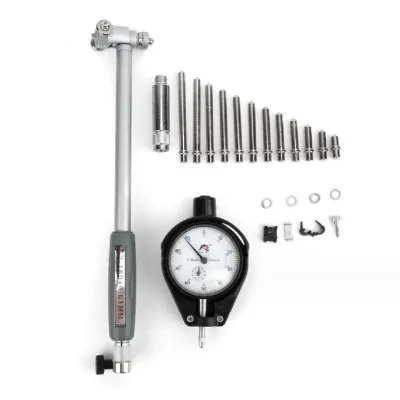
Procuring manual depth digital dial indicators requires distinguishing between traditional dial mechanisms and multifunction digital units that offer enhanced readability for precision tasks. The observed market data indicates a diverse range of models, from standard dial indicators to specialized digital units with varying measurement ranges and graduation scales. Buyers must carefully evaluate whether the specific application demands a manual reading method or a digital interface, as the listed products include both "Manual" measure methods and "Digital Indicator" standards. This distinction is critical for ensuring the tool aligns with the operator's workflow and the required precision levels in a manufacturing environment.
The available inventory spans various material compositions, including stainless steel and aluminum alloy, which directly influences durability and suitability for different industrial settings. While some units are designed for general DIY use, others are graded for heavy industrial applications, necessitating a clear definition of the operational environment before selection. The presence of customization options and OEM support suggests that buyers can tailor specific features, such as packing or branding, to meet unique procurement needs. Understanding these material and customization variables is essential for selecting a device that balances cost efficiency with long-term performance reliability.
Product Scope and Observed Listing Signals
The current market listings reveal a broad spectrum of product models, ranging from specific identifiers like 77030-030 to complex configurations such as the KM-112 series. These listings demonstrate that the category includes not only standard depth indicators but also multifunction digital indicators and universal dial indicators with distinct features like 5-button interfaces. The observed resolution values vary significantly, with some units offering 0.01mm precision while others provide finer 0.001mm graduations, indicating that buyers must verify the specific resolution required for their tolerance levels. This variation in technical specifications across different models highlights the importance of matching the tool's capabilities to the specific measurement object, whether it be depth or length.
Pricing and minimum order quantities (MOQ) in the observed data show a wide range, with prices spanning from 1 to 350 USD and MOQs varying between 1 and 20 units. This flexibility allows buyers to source single items for immediate testing or larger batches for production lines, though the specific cost drivers depend heavily on the model's complexity and material grade. The presence of different packing standards, such as plastic boxes or ABS boxes, further indicates that packaging is a variable factor that can impact logistics and protection during transit. Buyers should analyze these commercial signals to determine the most cost-effective procurement strategy that aligns with their inventory management policies and budget constraints.
Technical Specifications to Verify
When evaluating technical specifications, the primary focus must be on the resolution and precision capabilities of the device, as these directly impact measurement accuracy. The observed data lists precision values of 0.02mm and resolutions of 0.01mm or 0.001mm, requiring buyers to confirm which metric applies to the specific model they intend to purchase. Additionally, the measurement range is a critical parameter, with observed units covering ranges from 010mm to 025mm, and some models supporting both metric and inch measurements. Verifying that the selected indicator's range covers the full depth or length requirements of the workpiece is essential to prevent measurement errors and ensure data integrity.
Beyond basic resolution and range, the physical attributes of the dial and the measurement method must be scrutinized to ensure compatibility with the intended application. The listings indicate variations in dial diameter, such as 3 inches or 2.375 inches, and different back configurations like flat back with lug, which affect how the tool mounts on a stand or surface. The distinction between manual and digital measurement methods is also vital, as some models are explicitly labeled as "Manual" while others are "Digital Indicator" standards. Buyers should verify these physical and functional attributes to ensure the tool can be easily read and operated in their specific workspace conditions without compromising efficiency.
Compliance and Safety Documentation
Compliance with international and regional standards is a fundamental requirement for sourcing industrial measuring instruments, ensuring that the tools meet safety and quality benchmarks. The observed product data references several key standards, including ISO, RoHS, GB, and DIN, which indicate that suppliers are adhering to recognized certification frameworks. Buyers must verify that the specific model they select carries the relevant certifications for their target market, as these documents provide assurance regarding the material safety and environmental compliance of the device. The presence of these certifications suggests a baseline level of quality control, but explicit verification of the certificate for the specific batch is necessary to maintain regulatory adherence.
In addition to general certifications, the warranty and origin of the product play a significant role in the risk management strategy for procurement. The observed listings mention a standard 1-year warranty and origins in regions such as Anhui and Shaanxi, China, which can influence the supply chain stability and after-sales support availability. Buyers should confirm the specific terms of the warranty, including coverage for calibration drift or mechanical failure, to ensure protection against potential defects. Understanding the origin and warranty structure helps in assessing the long-term reliability of the supplier and the product, ensuring that any necessary repairs or replacements can be handled efficiently within the agreed commercial terms.
Cost Drivers and Commercial Terms
The cost of manual depth digital dial indicators is influenced by a combination of material grade, precision level, and the extent of customization offered. Units made from stainless steel or aluminum alloy with higher precision ratings, such as 0.001mm resolution, typically command higher prices compared to standard industrial or DIY grades. The availability of customization options, including OEM, ODM, and OBM support, adds another layer of cost variability, as tailored solutions often require additional engineering and production time. Buyers must evaluate whether the specific features required justify the premium cost or if a standard model with the necessary specifications is sufficient for their operational needs.
Commercial terms such as minimum order quantities (MOQ) and packaging specifications also significantly impact the total cost of ownership. The observed MOQ range of 1 to 20 units allows for flexible purchasing, but bulk orders may offer better unit pricing, which should be weighed against inventory holding costs. Packaging options, ranging from simple plastic boxes to more robust ABS or paper boxes, can affect shipping costs and the protection of the instrument during transit. Buyers should negotiate these terms to optimize the balance between upfront costs and logistical efficiency, ensuring that the procurement process remains cost-effective while maintaining the integrity of the delivered goods.
Supplier Qualification and Quality Control
Supplier qualification is paramount when sourcing precision measuring instruments, as the reliability of the data depends heavily on the manufacturing quality and consistency of the supplier. The observed data indicates that suppliers offer various grades of products, from DIY to industrial, suggesting a need to verify the supplier's capability to produce high-precision tools consistently. Buyers should request evidence of quality control processes, such as calibration records or production audits, to ensure that the products meet the stated precision and accuracy claims. Establishing a relationship with a supplier that demonstrates a commitment to quality is essential for maintaining the integrity of measurement operations in a professional setting.
Quality control measures should extend beyond the initial purchase to include ongoing verification of product performance and adherence to standards. The presence of certifications like ISO and RoHS suggests that suppliers have established systems in place, but buyers must confirm that these standards are actively maintained and verified for each batch. Additionally, the warranty terms and the supplier's responsiveness to quality issues are critical indicators of their reliability. Buyers should implement a rigorous supplier evaluation process that includes sample testing and review of past performance to ensure that the selected supplier can consistently deliver products that meet the required technical and compliance specifications.
Long-Term Procurement Checks
Long-term procurement success relies on establishing a robust framework for ongoing supplier performance monitoring and product lifecycle management. Buyers should regularly review the supplier's adherence to the agreed-upon standards, such as ISO and DIN, and verify that the products continue to meet the specified precision and resolution requirements over time. This involves periodic audits of the supplier's quality control processes and a review of any changes in product specifications or materials that could affect performance. Maintaining a proactive approach to supplier management ensures that the procurement strategy remains aligned with the evolving needs of the organization and the industry.
Furthermore, the long-term viability of the procurement relationship depends on the supplier's ability to provide consistent support, including calibration services and technical assistance. Buyers should assess the supplier's capacity to handle warranty claims and provide timely replacements or repairs for any defective units. The availability of spare parts and the supplier's commitment to product updates or improvements are also critical factors to consider. By focusing on these long-term checks, buyers can ensure a stable supply chain that supports continuous operational efficiency and minimizes the risk of disruptions in their measurement processes.
FAQs
What is the resolution of the manual depth digital dial indicator?
The manual depth digital dial indicator offers high-precision measurement capabilities with resolutions of 0.01mm and 0.001mm. These fine graduations ensure accurate depth readings for industrial applications. The device supports both metric and inch measurements, providing versatility for various testing environments and quality control tasks.
Can the product be customized for specific industrial needs?
Yes, customization is available for this manual depth digital dial indicator. The supplier supports OEM, ODM, and OBM services to tailor the product. Buyers can request specific modifications to meet unique operational requirements. This flexibility ensures the tool fits seamlessly into specialized manufacturing or inspection workflows.
Which certifications apply to the manual depth digital dial indicator?
The product holds ISO, RoHS, GB, and DIN certifications. These standards confirm compliance with international quality and safety regulations. Buyers can rely on these documented credentials for procurement audits. The certifications ensure the device meets rigorous manufacturing standards for reliable performance in professional measuring applications.
What is the warranty period for the manual depth digital dial indicator?
The manual depth digital dial indicator comes with a one-year warranty. This coverage protects buyers against manufacturing defects during the initial year of use. The warranty provides peace of mind for industrial purchasers. It ensures that any functional issues arising from production flaws are addressed promptly by the supplier.
Where is the manual depth digital dial indicator manufactured?
The product originates from China, specifically from Anhui and Shaanxi regions. These locations are known for precision instrument manufacturing. Buyers can trace the origin for supply chain transparency. The Chinese manufacturing base supports competitive pricing while maintaining the quality standards required for professional dial indicators.
What materials are used in the manual depth digital dial indicator?
The device is constructed from stainless steel and aluminum alloy. These materials provide durability and resistance to corrosion in industrial environments. Stainless steel ensures long-term structural integrity, while aluminum alloy offers lightweight handling. The material choice balances robustness with ease of use for frequent measurement tasks.